Leaders Opinion
India’s Next Supply Chain Revolution: From Cost Efficiency to Strategic Resilience

Introduction
Over the past few years, supply chains have moved from being a largely operational concern to becoming a central topic in strategy discussions. The pandemic, geopolitical tensions, shifting trade alliances, and rising sustainability expectations have collectively reshaped how businesses approach global sourcing and distribution. For multinational companies, supply chain resilience is no longer optional, and it is a competitive necessity.
Within this changing landscape, India is emerging as a critical pillar of global supply chain diversification. In my work advising international companies on market entry, investment structuring, and operational expansion in India, one consistent trend is clear: global businesses are increasingly viewing India not only as a large consumer market, but also as a strategic supply chain and manufacturing destination.
The Strategic Repositioning of Global Supply Chains
For decades, global supply chains were optimized primarily around cost efficiency and production scale. Manufacturing concentration in specific geographies offered significant economic advantages, but recent disruptions exposed the vulnerabilities of highly centralized supply networks.
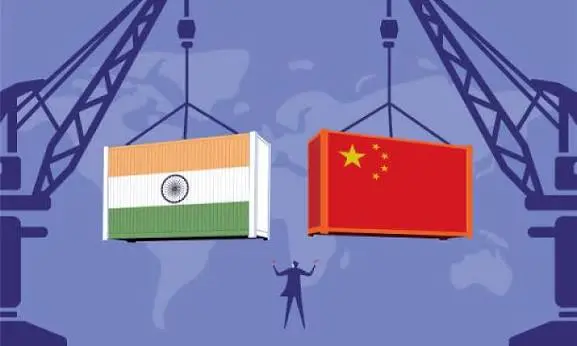
As a result, global companies are increasingly adopting diversification strategies that emphasize resilience, flexibility, and regional balance. The widely discussed “China+1” strategy is one manifestation of this shift, but the underlying change is broader. Companies are re-evaluating supplier networks, manufacturing footprints, and logistics corridors with a focus on long-term stability rather than short-term cost optimization.
India has become a natural candidate in this evolving supply chain landscape. Its large workforce, expanding industrial base, and improving infrastructure have made it an attractive alternative for global manufacturing and sourcing operations.
In conversations with international investors and multinational executives, the interest in India is no longer exploratory and it is increasingly strategic. Companies are looking to build meaningful, long-term supply chain capabilities in the country rather than merely establishing limited assembly operations.
India’s Evolving Logistics and Infrastructure Landscape
A modern supply chain ecosystem requires a robust logistics backbone. Historically, India faced structural challenges including fragmented transportation networks, complex regulatory procedures, and relatively high logistics costs.
Over the past decade, however, the landscape has been steadily evolving. Major investments in transportation infrastructure, industrial corridors, and logistics modernization are gradually transforming the way goods move across the country.
Dedicated freight corridors are improving rail logistics efficiency and enabling faster cargo movement between major industrial regions. At the same time, expanded highway networks and multimodal logistics parks are helping integrate road, rail, and port connectivity.
India’s port infrastructure is also undergoing modernization, improving cargo handling capacity and reducing turnaround times. These developments are particularly important for export-oriented sectors such as electronics, automotive components, specialty chemicals, and pharmaceuticals.
Policy initiatives aimed at reducing logistics costs and streamlining regulatory procedures are further supporting this transformation. The goal is not merely to move goods faster, but to create an integrated national logistics ecosystem that can support both domestic consumption and global trade competitiveness.
While challenges remain, the trajectory is unmistakably positive. India is steadily building the physical and institutional infrastructure required for a globally competitive supply chain environment.
Technology as the Foundation of Modern Supply Chains
Physical infrastructure alone cannot deliver supply chain excellence. Digital integration and data-driven decision making are increasingly defining the competitiveness of modern logistics networks.
Technology adoption across the supply chain from manufacturing and warehousing to distribution and demand forecasting is reshaping how companies manage operations. Advanced analytics and artificial intelligence are enabling businesses to predict demand patterns more accurately, optimize inventory levels, and identify potential disruptions before they escalate.
Digital supply chain platforms are also improving collaboration between suppliers, manufacturers, logistics providers, and distributors. Real-time data visibility allows organizations to monitor the movement of goods across multiple geographies, improving operational transparency and responsiveness.
Automation is another important component of this transformation. Smart warehouses equipped with automated storage systems, robotic picking technologies, and advanced inventory management tools are helping companies increase efficiency while reducing operational risks.
For companies operating in India, technology adoption will be essential to managing the scale and complexity of the country’s distribution networks. Businesses that successfully combine digital tools with strong operational frameworks will gain a significant competitive advantage.
Building Resilient Supply Chains in an Uncertain World
Resilience has become the defining theme of modern supply chain strategy. The past few years have demonstrated how quickly disruptions—whether caused by pandemics, geopolitical conflicts, or natural disasters can ripple across global logistics networks.
Resilient supply chains are built on diversification, transparency, and agility. Companies are increasingly developing multi-country sourcing strategies, strengthening supplier relationships, and investing in systems that enable faster response to operational disruptions.
India’s growing manufacturing base offers multinational companies an opportunity to diversify production networks while maintaining access to a large domestic market. Several industries, including electronics manufacturing, renewable energy equipment, chemicals, and automotive components, are witnessing significant expansion as companies seek to build more geographically balanced supply chains.
However, resilience is not achieved solely through geographic diversification. It also requires stronger ecosystem collaboration. Governments, infrastructure developers, logistics providers, and manufacturers must work together to ensure that supply chain systems are responsive, efficient, and adaptable.
In this context, India’s policy focus on industrial development, infrastructure modernization, and digital transformation is helping lay the groundwork for stronger supply chain resilience.
Conference

Conference

Sustainability: The Next Frontier for Global Supply Chains
Alongside resilience, sustainability is becoming an equally important consideration for global supply chains. Investors, regulators, and consumers are increasingly demanding greater transparency and accountability regarding environmental and social impact.
Supply chains today are expected to meet not only efficiency benchmarks but also environmental and ethical standards. Companies must demonstrate responsible sourcing practices, lower carbon footprints, and stronger compliance with global sustainability frameworks.
India’s transition toward greener logistics and manufacturing will play a crucial role in attracting long-term international investment. Initiatives such as electric mobility adoption, renewable energy integration in industrial operations, and energy-efficient warehousing are gaining momentum.
For global companies operating in India, sustainability is no longer a compliance exercise—it is a strategic priority that influences supply chain design, supplier selection, and operational processes.
Organizations that proactively integrate sustainability into their supply chain strategies will not only meet evolving regulatory requirements but also strengthen their long-term brand and operational resilience
India’s Opportunity in the Global Supply Chain Reset
We are currently witnessing a fundamental reset in global supply chains. Companies are reassessing decades-old operating models and exploring new production and sourcing destinations.
India’s opportunity lies in positioning itself not simply as an alternative manufacturing hub, but as a comprehensive supply chain ecosystem capable of supporting global businesses at scale.
To fully capitalize on this moment, continued progress will be required across several areas: infrastructure development, regulatory efficiency, digital transformation, and talent development. Equally important will be the ability of businesses and policymakers to collaborate in building an integrated supply chain environment that encourages long-term investment.
From the perspective of international investors and multinational enterprises, India offers a compelling combination of market scale, manufacturing potential, and strategic geographic positioning. As supply chains continue to evolve, India is increasingly becoming a critical node within global production and distribution networks.
Practical Considerations for Multinational Companies Entering India’s Supply Chain Ecosystem
While the macro narrative around India’s supply chain potential is compelling, successful execution ultimately depends on how effectively companies navigate on-the-ground realities. In my experience advising multinational corporations on their India strategy, there are several practical considerations that often determine whether supply chain investments deliver their intended outcomes.
First, market entry structuring plays a critical role in supply chain success. Companies must carefully evaluate whether to operate through a wholly owned subsidiary, contract manufacturing arrangements, joint ventures, or strategic partnerships. Each model has implications for control, cost efficiency, regulatory exposure, and scalability. For instance, while contract manufacturing may offer speed to market, it may limit operational control and visibility. Conversely, establishing a wholly owned manufacturing presence provides greater control but requires deeper capital commitment and longer gestation periods.
Second, supplier ecosystem development is essential. Unlike more mature manufacturing hubs where supplier networks are deeply integrated, India’s supplier landscape while rapidly evolving often requires active development and engagement. Companies that invest in supplier capability building, quality assurance systems, and long-term partnerships tend to achieve more sustainable outcomes. This is particularly relevant in sectors such as electronics and precision manufacturing, where consistency and compliance with global standards are critical.
Third, regulatory navigation remains a key factor. Although India has made significant progress in improving ease of doing business, companies must still manage a multi-layered regulatory environment involving central and state authorities. Areas such as customs procedures, state-level incentives, labour regulations, and tax compliance require careful planning and local expertise. Proactive engagement with advisors and authorities can significantly reduce execution risks and prevent costly delays.
Supply Chain Financing and Working Capital Efficiency
Another dimension that deserves greater attention is supply chain financing. As companies expand their manufacturing and sourcing operations in India, managing working capital efficiently becomes increasingly important.
Long payment cycles, inventory holding requirements, and supplier financing constraints can impact overall supply chain performance. Innovative financing solutions such as supplier credit programs, invoice discounting, and digital lending platforms are gaining traction in addressing these challenges.
From a strategic standpoint, companies that integrate financial planning into their supply chain design are better positioned to scale operations sustainably. This includes aligning procurement strategies with cash flow management and leveraging financial instruments to strengthen supplier relationships.
Talent and Capability Building as a Strategic Priority
A resilient supply chain is not built solely on infrastructure and policy it is equally dependent on human capital. India offers a large and increasingly skilled workforce, but companies must invest in continuous capability development to meet global operational standards.
This includes training in advanced manufacturing processes, quality control systems, digital tools, and supply chain analytics. Leadership development is equally important, particularly for managing complex, multi-location operations.
In my experience, organizations that localize leadership while maintaining strong alignment with global standards tend to achieve better integration and operational efficiency. Building a strong local management team not only enhances execution but also improves stakeholder engagement across suppliers, regulators, and partners.
Conclusion
The transformation of global supply chains is one of the defining economic shifts of our time. Companies are moving beyond traditional cost-driven models toward systems that prioritize resilience, transparency, and sustainability.
India stands at the intersection of these changes. With continued investment in infrastructure, technology, and regulatory modernization, the country has the potential to emerge as a leading hub for global supply chain operations.
For businesses willing to invest in long-term partnerships and operational capabilities, the opportunities are substantial. As global supply chains continue to diversify and evolve, India’s role in shaping the future of international trade and logistics is likely to become increasingly significant.
As global supply chains continue to evolve, the conversation around India is gradually shifting from participation to leadership. The next phase of India’s supply chain journey will not be defined solely by its ability to attract investment, but by its capacity to shape global supply chain standards.
This includes advancing innovation in manufacturing technologies, leading in sustainable supply chain practices, and developing globally competitive logistics solutions. India’s growing digital ecosystem, entrepreneurial base, and policy focus on industrial development position it well to move in this direction.
For multinational companies, this transition presents a strategic opportunity. Those who engage early, invest thoughtfully, and build integrated supply chain capabilities in India will not only benefit from current cost and diversification advantages but also position themselves for long-term leadership in an increasingly complex global trade environment.
“The message is clear: India should not be approached as a short-term alternative, but as a long-term strategic pillar within global supply chains. The companies that recognize and act on this shift today will be the ones that define supply chain excellence in the years ahead.”
Explore the latest edition of Journal of Supply Chain Magazine and be part of the JOSC News Bulletin.
Discover all our upcoming events and secure your tickets today.
Journal of Supply Chain is a Hansi Bakis Media brand.
Leave Comment
Join the community of 150,000+ industry professionals
Subscribe to our Daily Newsletter
Subscribe For FreeBy continuing you agree to our Privacy Policy & Terms & Conditions
Latest







Feature Articles





Related